
Online casino disputes are not unavoidable, but they occur regularly that every player and affiliate ought to be aware of what recourse is available. It could be a delayed withdrawal, a bonus term that was misunderstood, or a commission calculation that looks off. A structured resolution framework can turn a frustrating standoff into something you can actually work through. Licensed operators such as Astromania Casino follow strict regulatory obligations that require transparent complaints procedures, which gives consumers real steps to take. Beyond those internal mechanisms, a whole ecosystem of alternative dispute resolution (ADR) services, mediation, and eventually legal channels creates a layered safety net. This guide explores each tier of that ecosystem, from the initial complaint to binding arbitration. Knowing your options is not a mere academic exercise. It directly influences how fast and how likely you are to get a satisfactory outcome. A player who comprehends when to escalate a complaint to a licensing authority, or when to bring in an ADR provider, avoids months of uncertainty and wasted effort. The aim is to give you a clear, actionable roadmap so you can pursue resolution with your eyes open.
ADR (ADR) Providers
ADR Scope
Dispute resolution bodies are independent entities that specialise in resolving disagreements between consumers and gambling operators. Unlike regulators, who concentrate on licence compliance, ADR providers review the fairness of a certain dispute and endeavour to broker a settlement or issue a non-binding recommendation. The scope of ADR commonly covers payment delays, bonus term interpretation, account closures, and technical payout disputes. Some schemes also handle responsible gambling complaints where a player feels the operator neglected to intervene appropriately. Most ADR services are at no cost to the player, funded through operator membership fees. An operator’s willingness to participate is frequently a condition of their licence in jurisdictions such as the UK, where the Gambling Commission requires licensees to appoint an approved ADR entity. Even in markets without a stringent mandate, many casino brands willingly join respected bodies to show their commitment to fair play and to provide consumers an extra layer of confidence.
- eCOGRA – Specialises in online gaming and delivers binding rulings for member operators.
- ThePOGG – Offers a public complaint service with mediation and published outcomes.
- IBAS (Independent Betting Adjudication Service) – UK-focused adjudicator for betting disputes.
- Casinomeister – A player forum that provides a complaints facilitation service under certain conditions.
- OSA (Online Slot Arbitration) – Handles slot-specific disputes, often involving RNG fairness.
Filing a Complaint
Starting a complaint through an ADR service requires careful preparation. The aggrieved party should first verify whether the casino has signed up to a particular scheme by checking the operator’s website or the ADR provider’s member directory. Next, assemble all prior correspondence with the casino, such as the final decision letter if one was issued, along with screen captures and account logs that demonstrate the issue. Most ADR bodies offer an online complaint form where the user summarizes the facts, specifies the desired outcome, and attaches supporting files. The service will then inform the operator and request a response, usually within 14 to 28 days. During this phase, the mediator or adjudicator may ask for additional evidence or clarification from both sides. The process is slower than internal resolution, but it offers an impartial eye to the disagreement. The resulting opinion, while not always legally binding, carries considerable weight and often compels operators to settle to protect their reputation.
Arbitration and Mediation: Advanced Resolution Methods
When ADR does not satisfy both parties, mediation offers a structured but flexible framework where a impartial intermediary facilitates direct negotiation. Unlike an adjudicator who forces a decision, a mediator assists the disputants explore settlement terms, resolve misunderstandings, and achieve a mutually acceptable compromise. spletno mesto This process functions best in disputes where the facts are intricate and both sides have a sincere intention in preserving a business relationship. Think of a high-value affiliate disagreement where future commissions are on the line. Mediation sessions can take place in writing or via video conference, and the private environment encourages open dialogue without the risk of public exposure. Costs are usually split, making it a cost-effective alternative to formal litigation. The mediator’s job is not to name a victor but to direct the conversation toward a practical resolution. Many cases conclude within a single session when both parties approach the table in good faith.
Arbitration is a more formal step. It resembles a private court proceeding where the arbitrator examines evidence and renders a binding decision. Many online casino terms of use contain an arbitration clause that mandates disputes to be resolved through this channel instead of state courts. Parties select a mutually agreed arbitrator from a recognised institution such as the International Chamber of Commerce, and the process can be carried out entirely on paper or with a hearing. Arbitral awards are conclusive and enforceable under the New York Convention across more than 160 signatory countries, giving successful complainants a robust recovery instrument. The downside is cost. Arbitration fees can run into thousands of euros, and the losing side may have to pay the expense. For that reason, it’s usually reserved for high-value claims where the principle or the monetary amount warrants the investment. Players and affiliates should closely study their contract’s dispute resolution clause to understand whether arbitration is mandatory before signing up.
The Role of Gaming Regulators
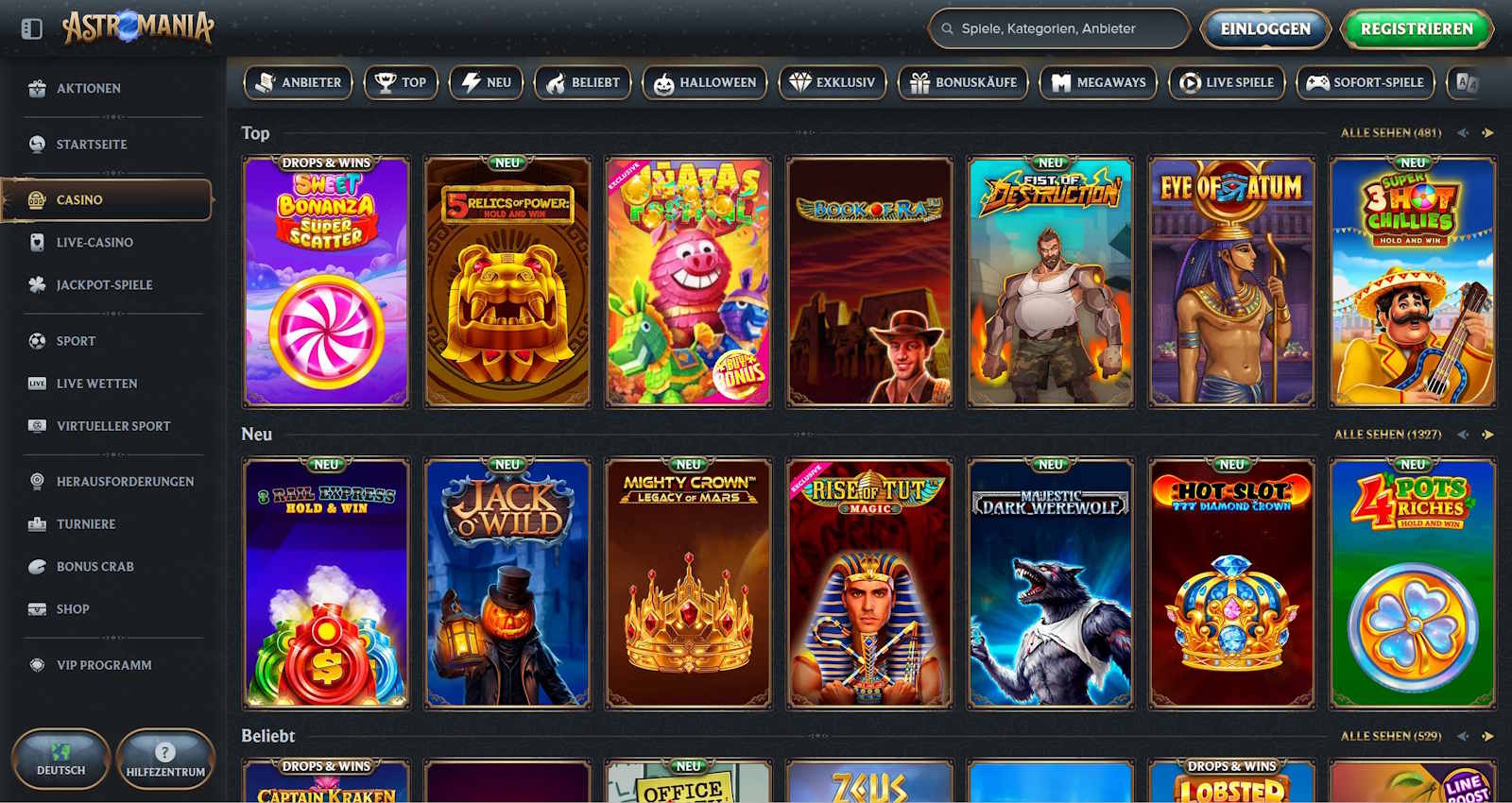
Online casinos hold licences provided by regulatory bodies that enforce strict operational standards. These authorities frequently act as the next tier of dispute resolution when internal processes fall short. The Malta Gaming Authority (MGA), astromaniacasino pogoji uporabe, the United Kingdom Gambling Commission (UKGC), and the Curaçao eGaming board, among others, all require licensees to handle complaints fairly and within defined timeframes. If a player has completed the casino’s own procedure without en.wikipedia.org getting a satisfactory resolution, they can submit a formal complaint with the relevant regulator. The authority will then demand documentation from both sides and evaluate whether the operator breached its licence conditions. Regulators usually do not order compensation the way a court would, but they can impose sanctions, mandate corrective action, or even revoke a licence. That creates significant leverage. For players, being aware of which jurisdiction governs their account is key. This information usually sits in the website’s footer or inside the terms and conditions, and it specifies which body has oversight.
The First Step: Internal Dispute Procedures

When a conflict emerges, the most efficient way to resolve it nearly always involves the provider’s grievance unit. Licensed casinos, including operators under Malta Gaming Authority or Curacao eGaming licences, must uphold an official procedure that records, examines, and addresses player grievances. The initial step any affected player should take is collect all pertinent records, screen captures of the event, email exchanges, transaction records, and submit a clear, concise complaint through the casino’s official support channel. Reliable operators will confirm receipt in a matter of business days and provide you with a case number. The internal review commonly analyzes server records, account activity, and whether the rules active during the incident were observed. At this phase, patience and a factual tone matter. Angry or hostile communications rarely speed things up. If the initial response doesn’t satisfy you, many operators let you appeal to a higher-level review board. This stretches the in-house route before any third-party organization intervenes.
- Check the platform’s terms and conditions to verify the applicable policy.
- Gather screenshots, emails, and transaction references associated with the problem.
- Contact customer support via email or instant chat, precisely explaining the problem and providing supporting documents.
- Request escalation to a complaints manager should the first level fail to resolve the conflict.
- Document the operator’s final ruling and any reference number for future use.
Recognizing Casino Disputes: Typical Triggers
Most conflicts between players and online casinos spring from a small number of expected friction points. Withdrawal delays head the list, typically caused by incomplete account verification or payment processor bottlenecks rather than someone intentionally holding your money. Bonus terms are another major source of conflict. Players might unintentionally break wagering requirements or game restrictions, resulting in confiscated winnings and a feeling of being treated unfairly. Account closures triggered by responsible gambling flags or alleged policy violations also produce disputes, particularly when the user believes the decision is without any real explanation. Technical glitches during gameplay, like a disconnected session mid-spin, can result in contested outcomes that neither side finds easy to sort out. On top of that, misunderstandings around KYC (Know Your Customer) document requests can extend verification and generate friction. Spotting these common triggers is the initial step toward prevention. It pushes both operators and customers to ensure communication clearer and to check the published terms before a disagreement spirals.
Court Action as a Ultimate Measure
Jurisdiction Issues
Taking a gambling dispute to court introduces a layer of complexity that often surpasses the benefits for smaller claims. The first hurdle is deciding which country’s courts have jurisdiction. Online casinos
Leave a Reply